
A Progressive, Pro-Housing Agenda
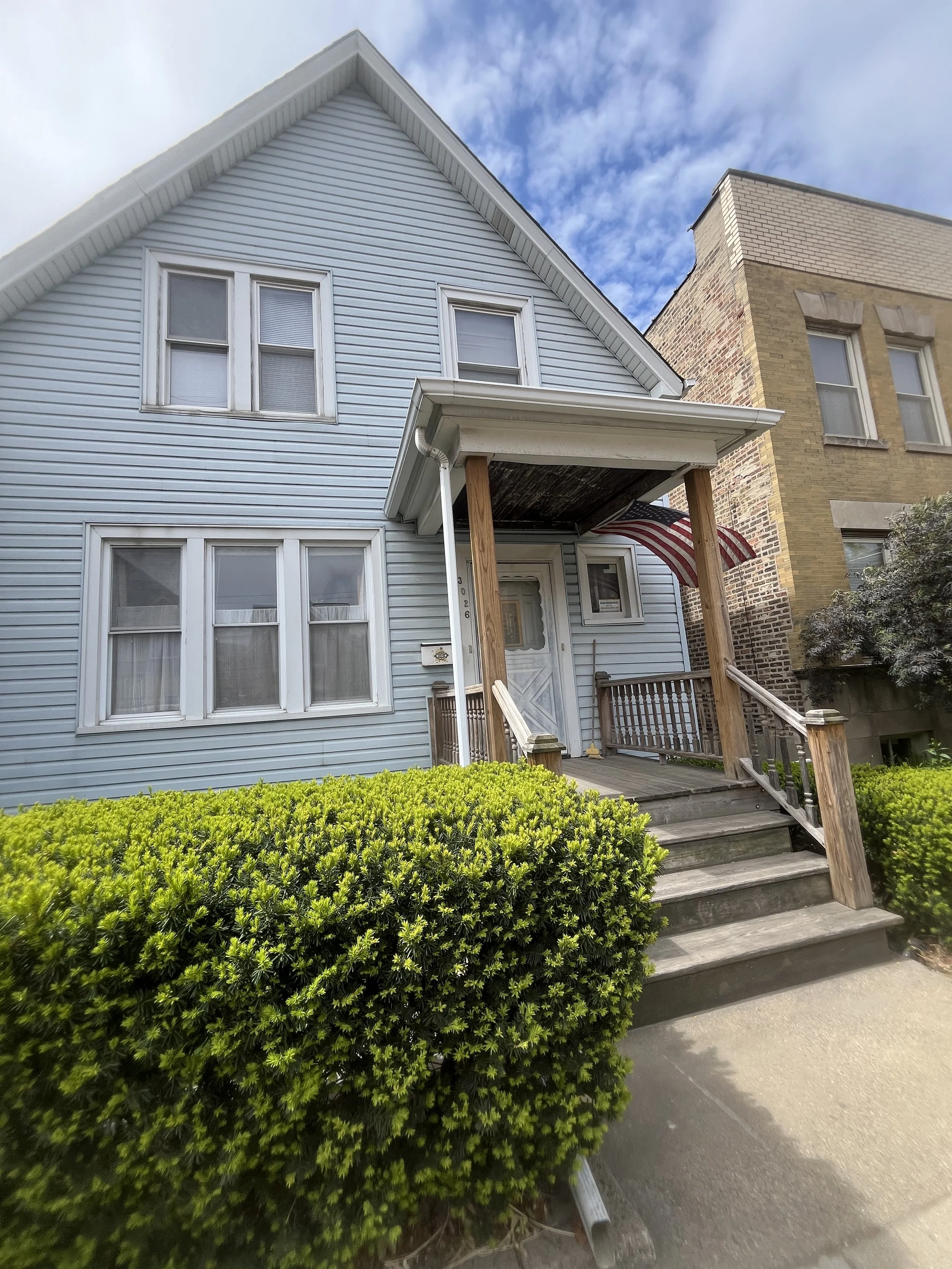
Housing affordability has become one of the defining challenges facing Chicago. Rents continue to rise, homeownership is increasingly out of reach for working families, and too many people are being forced to leave the neighborhoods they love.
I know that feeling personally. I first moved to the ward over 10 years ago, renting a two-flat near Holstein Park before eventually being priced out. Years later, I was fortunate enough to return to the neighborhood as a homeowner, but others aren't so lucky.
That’s one of the reasons I’m running. Throughout this campaign, I’ve spent my time listening to neighbors, and while every conversation is different, I regularly hear from people that they want neighborhoods they can put down roots in and stay. They want their communities to remain vibrant, and growth to benefit everyone.
Chicago’s Housing History Is a Story of Exclusion
Chicago’s housing crisis didn’t appear overnight. It is the result of decades of public policy that limited where people could live and who had access to opportunity.
Federal redlining denied mortgages to Black families. Racially restrictive covenants kept neighborhoods segregated. Urban renewal displaced thousands of residents while reshaping neighborhoods for wealthier newcomers. Blockbusting exploited racial fears for profit, accelerating disinvestment in some communities while fueling speculation in others. These weren’t isolated mistakes; they were choices from elected leaders that shaped our city for generations. Although many discriminatory practices became illegal, new barriers replaced them.
Today, one of the worst remnants of those policies is exclusionary zoning. We still operate primarily under a zoning ordinance that was first adopted 100 years ago and significantly expanded in scope in the 1950s, reinforcing our existing segregation. That framework downzoned many neighborhoods, imposed minimum lot sizes and parking requirements, made it increasingly difficult to build new homes, and reinforced class and racial segregation. Combined with aldermanic prerogative, the tradition of giving individual alderpersons extraordinary control over development in their wards, our housing approval process became unpredictable, political, and resistant to change.
The consequences are visible throughout Chicago. There are not enough homes, the cost of housing continues to rise, and we see increasing displacement. Notably, the U.S. Department of Housing and Urban Development, responding to a civil rights complaint detailed in a 2023 letter that Chicago’s use of aldermanic prerogative continues to contribute to housing discrimination and segregation. The investigation into the civil rights complaint was naturally later dropped by the Trump Administration.
Progress Is Finally Being Made
The good news is that Chicago has begun moving in the right direction. Parking minimums near transit have been eliminated, reducing unnecessary costs that make housing more expensive. Chicago has also moved in the right direction to legalize accessory dwelling units (ADUs), including coach houses, basement apartments, and other small homes that fit naturally into existing neighborhoods while creating more affordable housing options. Unfortunately here in the 32nd Ward, the current Alderperson imposed the most restrictions possible for ADU construction - decreasing our neighbor’s abilities to create more housing in this ward.
Recent investments like the Housing and Economic Development Bond and Chicago’s Green Social Housing initiative represent important steps toward expanding affordable housing while creating more transparent and accountable financing. Further affordable housing reforms, like streamlining LIHTC allocations, will make it cheaper to build plentiful affordable housing.
These reforms help with our ultimate goals. If we want housing to become more affordable, we have to make it easier to build more of it.
Protecting Renters While Building More Housing
A progressive housing agenda isn’t just about building more homes, though, it also means protecting the people who live in them today.
More than half of Chicago households are renters. They deserve safe homes, clear rules, and the peace of mind that they won’t lose their housing without good reason. That’s why I support strong tenant protections, including just-cause eviction standards that prevent tenants from being removed when they’ve paid their rent and followed the terms of their lease. As a simple moral argument, families shouldn’t have to live with the fear of arbitrary displacement.
But also as an economic argument, discouraging arbitrary eviction is vital. While we need a vibrant housing market, we know that arbitrary evictions are not costless, they result in significant negative economic and social externalities. Research shows eviction is expensive for both landlords and tenants, but the downstream consequences impact entire communities and have long-term economic impacts on affected tenants. The argument that more restrictions will be reflected in existing housing stands in contrast to the spillover costs to our communities. And further, the claim that just cause protections lead to rent increases is not supported by the data. We can have a reasonable conversation on the scope of regulations, but the fact is that just-cause eviction protections lead to increased economic social welfare.
We should also continue expanding access to legal assistance for tenants facing eviction, hold bad-actor landlords accountable for unsafe conditions, and make it easier for renters to access affordable housing opportunities through transparent, fair processes.
Protecting renters and building more housing are not competing priorities, they go hand in hand. The best long-term way to reduce rent increases is to make sure we have enough homes for everyone who wants to live in Chicago. By expanding housing choices while strengthening tenant protections, we can create a city where both renters and homeowners have the stability they deserve.
The 32nd Ward’s Challenges and Opportunities
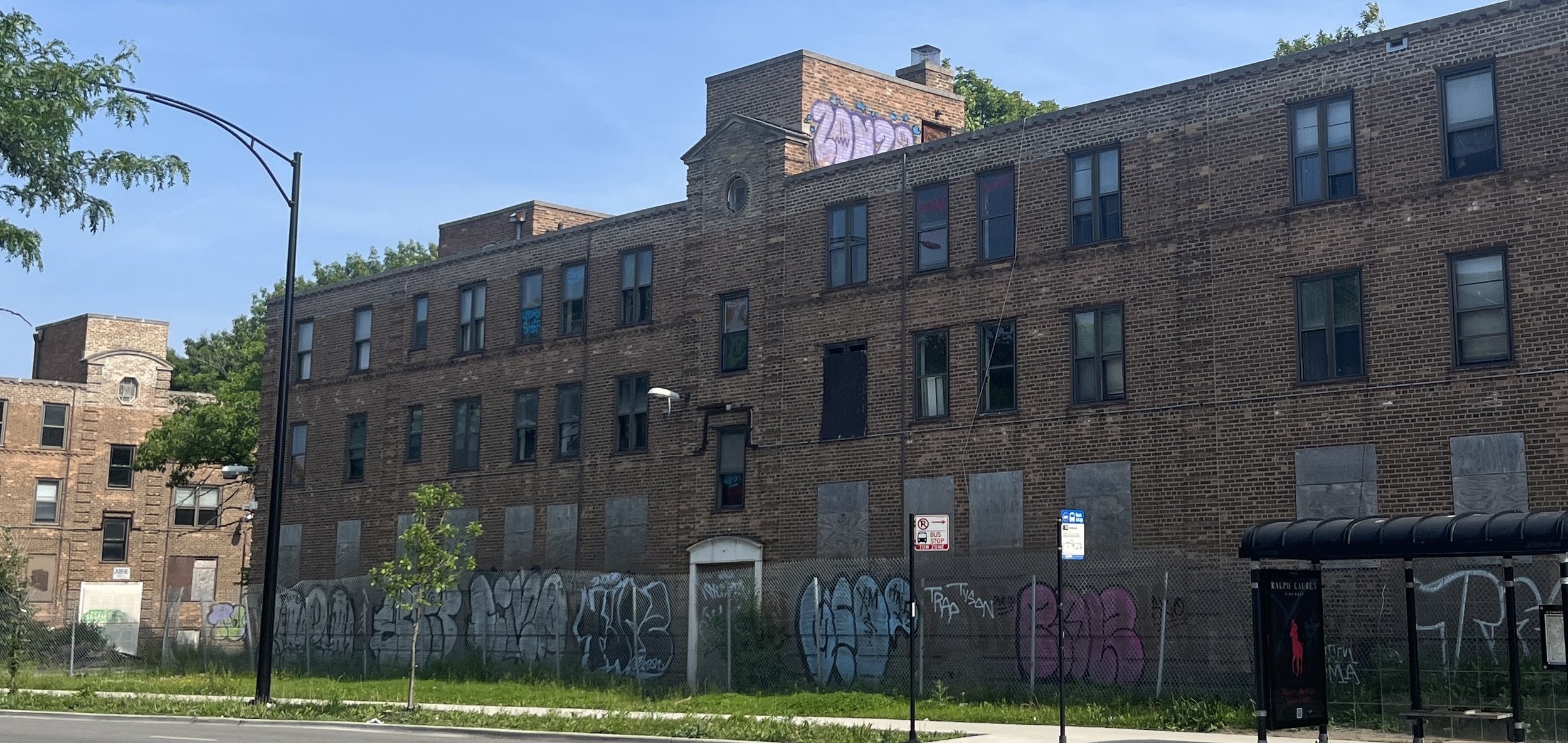
Lathrop Homes
The decades-long redevelopment of Lathrop Homes tells a story of both promise and failure. Once one of the nation’s first integrated public housing communities, its redevelopment has been marked by years of delay, displacement, and broken promises to families waiting to return. Even today, the project will ultimately contain fewer public housing units, and fewer homes overall, than originally existed.
At the same time, projects like the development at 1840 North Marcey Street show how difficult it can still be to build much-needed housing under our current system. 1840 North Marcey is a rare example where the current 32nd ward Alderperson’s attempts to block new housing was defeated, when City Council ultimately approved it. The proposal moving forward has 20% on-site affordable housing, which will equal about 120 new affordable apartments.
These aren’t just debates about zoning maps. They’re decisions about whether teachers can live near the neighborhood schools they teach in, whether young families can stay in their neighborhoods as they grow, whether seniors can age in place, and whether local businesses can grow and welcome new customers.
Building Bridges, Not Barriers
Good leadership starts by listening. It means building bridges instead of barriers. It means bringing neighbors together, understanding legitimate concerns, relying on facts instead of fear, and finding solutions that strengthen our communities.
Being pro-housing means being transparent in community processes, rewards good development, expands affordability, protects renters, and gives everyone confidence that decisions are being made fairly.
I believe we can preserve what makes Bucktown, Roscoe Village, Lakeview Lincoln Park, and our other neighborhoods so special while also making room for the next generation of Chicagoans.
That means pursuing practical, progressive housing solutions that expand opportunity, strengthen our neighborhoods, and ensure that Chicago remains a city where people from every background can build a future.
Because housing isn’t just about buildings. It’s about giving people the chance to put down roots and making sure the city we love remains a place where everyone has the opportunity to belong.
